

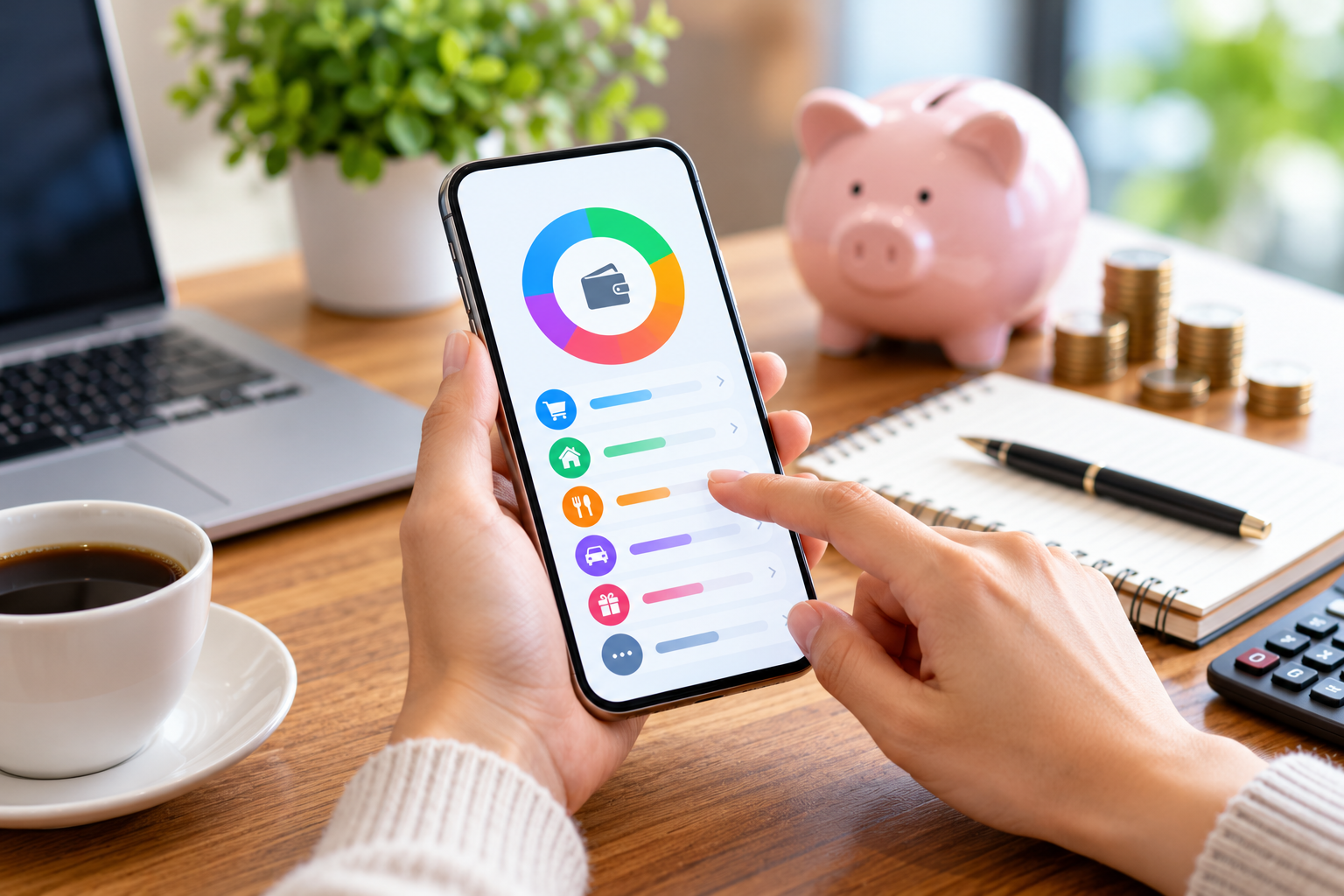
Managing personal finances can be challenging, especially when everyday expenses continue to increase. From grocery shopping and utility bills to online subscriptions, small purchases can quickly add up. An expense tracker app offers a convenient solution for monitoring spending, managing budgets, and improving financial habits.
Whether you’re a student, working professional, or small business owner, tracking expenses can help you understand where your money goes and make better financial decisions.
What Is an Expense Tracker App?
An expense tracker app is a digital tool designed to record, organize, and analyze daily financial transactions.
Instead of writing expenses in a notebook or maintaining complicated spreadsheets, users can track spending through a smartphone or computer.
Most applications organize transactions into categories such as groceries, transportation, entertainment, shopping, and household bills.
Some advanced apps also provide automatic bank synchronization, budgeting tools, and detailed financial reports.
Key Features of an Expense Tracker App
Choosing the right application requires understanding the features that make financial management easier.
1. Daily Expense Tracking
The primary function of an expense tracker app is recording daily purchases.
Users can enter transaction amounts, select spending categories, and review their financial activity.
This helps identify unnecessary expenses and encourages more responsible spending.
2. Budget Planning
Many expense tracking applications allow users to create monthly or weekly budgets.
You can set spending limits for different categories and monitor how much money remains available.
Budget alerts may also help prevent overspending.
3. Automatic Transaction Tracking
Certain applications connect with supported bank accounts and automatically import transactions.
This feature reduces manual data entry and provides a more complete overview of spending.
However, availability depends on your bank, location, and chosen application.
4. Financial Reports
Visual charts and spending summaries make financial information easier to understand.
Users can compare monthly expenses, identify spending patterns, and evaluate progress toward savings goals.
5. Bill Reminders
Some apps include reminders for rent, utility payments, subscriptions, and other recurring expenses.
These notifications can help users avoid forgotten payments and unnecessary late fees.
Benefits of Using an Expense Tracker App
An expense tracker app provides several advantages for individuals seeking better financial control.
Improved Financial Awareness: Tracking purchases helps you understand spending habits.
Better Savings Planning: Identifying unnecessary expenses can create opportunities to save money.
Convenient Money Management: Mobile applications make it easier to record transactions wherever you are.
Reduced Financial Stress: Organized financial records can make budgeting decisions less confusing.
Clearer Financial Goals: Reviewing income and expenses helps users plan for future purchases and emergencies.
How to Choose the Best Expense Tracker App
Before selecting an application, consider your financial needs and preferred features.
Look for a simple interface, customizable spending categories, and reliable budgeting tools.
Security is equally important, especially when connecting financial accounts. Choose reputable providers that explain their data protection practices.
Also compare free and premium plans to determine whether paid features provide sufficient value.
Tips for Tracking Expenses Successfully
Start by recording every purchase, including small daily expenses.
Review your spending at least once a week and organize transactions into accurate categories.
Set realistic budgets rather than overly restrictive limits.
Over time, these habits can improve financial awareness and encourage more consistent money management.
Final Thoughts
An expense tracker app is a practical tool for anyone wanting to organize personal finances and develop better spending habits.
With features such as transaction tracking, budget planning, financial reports, and payment reminders, these applications can simplify everyday money management.
Choosing the right app and using it consistently can help you reduce unnecessary expenses, build savings, and work toward greater financial stability.
